People often ask me: “What is ‘Zone 11’ (十一区)?”
To give a quick explanation: The nickname originates from the classic anime Code Geass, where Japan was stripped of its name after defeat and renamed “Area 11” by the Holy Britannian Empire. The term caught on across ACG (Anime, Comic, Games) communities and internet forums. Today, it’s widespread slang for Japan, often referring to Japanese anime, gaming content, or otaku culture.

Switching 10G to 10G: My Recent Experience
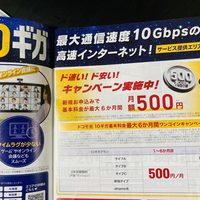
Back to the main topic: I recently switched my home broadband in Japan from SoftBank’s 10G fiber to Docomo’s 10G fiber.
10G symmetrical fiber (identical upload and download speeds) is currently the main standard pushed across Japan, and it performs great. Having just gone through the entire process, here are a few practical tips and lessons I’ve learned along the way:
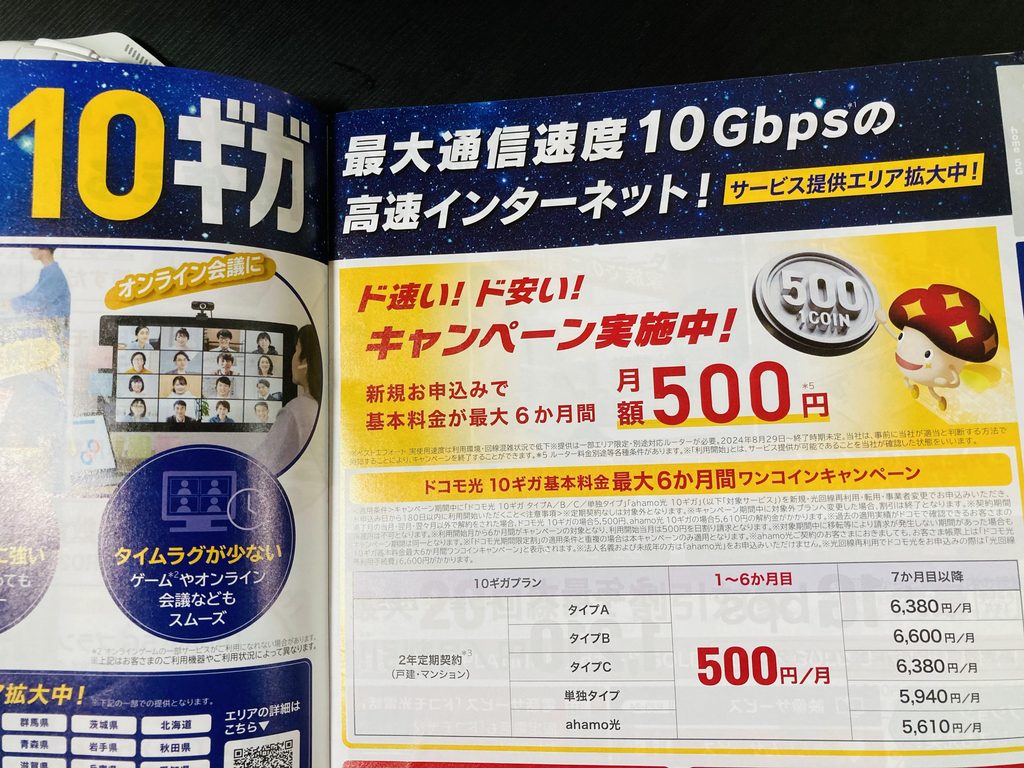
- Fight for Cash Back and Shopping Points When signing up for broadband, providers almost always run promotional campaigns offering reward points ranging from 50,000 to 150,000 points (roughly $330 to $1,000 USD). Everything is negotiable, so do your best to bargain for the maximum amount. Shopping points in Japan are practically equivalent to fiat currency (usually 1 point = 1 JPY). Last year, I used my accumulated points to buy a second-hand fridge and washing machine. This year’s points will likely cover a new iPhone 16. One netizen even managed to score a MacBook Air entirely on points!
- Timing Matters: Go on Weekends at the End of the Month I strongly recommend signing up during the last weekend of the month. Sales representatives are scrambling to hit their monthly quotas during this period, meaning they are far more willing to offer higher point bonuses.
- No Need to Panic Over Language Barriers Major Japanese carriers (like Docomo and SoftBank) usually provide multilingual customer service. If your Japanese isn’t fluent, don’t worry about it.
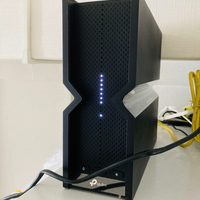
- Renting vs. Buying a Router You can either rent a router from the ISP or buy your own. Do the math to see which option makes financial sense for you over time. Personally, I got tired of paying monthly rental fees, so I bit the bullet and bought a monster router: the TP-Link BE550Pro 9700 (a full-spec WiFi 7 router with a 6GHz band). Check out my previous review for details!
- A Nice Surprise from Docomo: ISP Switching Docomo offers a feature I didn’t expect: if you aren’t satisfied with your current internet service provider (ISP connection), you can freely switch providers simply by calling customer service (though a ¥3,300 processing fee applies, around $22 USD).
- Ask for Retention Discounts Before You Switch If you are thinking of switching simply because your initial promotion ended and the price jumped back to normal, call your current provider first. Ask if they have any new discount plans for existing customers (they almost always have retention offers). Weigh those offers against the hassle of switching to a new provider—processing everything for a new line takes 1 to 2 months and requires a lot of mental energy.
- Pay Attention to Cancellation Billing (Daily vs. Monthly) Some ISPs bill your final month on a daily prorated basis (日割), while others charge you for the full month regardless of when you cancel. SoftBank bills on a daily basis. Don’t be silly like me and wait until the very last day of the month to cancel!
- Keep All Original Packaging for Rental Equipment When you cancel your service, you must return all carrier-provided hardware (ONT/Optical modem, rented routers, etc.). From day one, make sure not to throw away the original boxes.
- Handling Old Optical Lines (Restoration Rules) After canceling with your previous provider, you must handle the physical fiber line left behind:
- If you own your house: You can usually keep the fiber line installed for future use.
- If you are renting: You must check with your landlord or property management company (管理会社) to see if the old line needs to be completely removed (原状回復). In Japan, rental properties must be restored to their original empty state upon move-out. Leaving unapproved wiring behind could lead to hefty penalty fees deducted from your deposit.
Related Reading :
- What Should You Do When Your Investment Drops 10–20%?
- No need to worry, even for beginners—after SoftBank blocks IPv6, Lucky and Cloudflare Tunnel have you covered.